特朗普就任美国总统后对中美汽车产业可能的影响
<编者按>
美国当选总统特朗普将于当地时间2025年1月20日在华盛顿国会山举行自己的第二次就职典礼。
特朗普总统就任后将颁布一系列新的法规与政策,据分析这些新法规将笃定对中国汽车产业产生重大影响。
无论对中国还是美国产业界而言,中美汽车产业走势将是一个非常有意思的话题,很对人对此进行各种评估和预判。
在1月15日车联智会议主办的“中国汽车产业现代化与国际化论坛”上,主办方特别邀请美国JFP Holdings 公司首席运营官吉姆先生就这一主题发表演讲,论述特朗普就任美国总统后中美关系走势,中美汽车领域合作前景,对中国汽车产业发展以及中资企业在美业务拓展等提出中肯建议等。
论坛结束后,很多朋友对吉姆先生演讲内容非常感兴趣并向主办方索要演讲文稿。
经吉姆先生同意,车联智汇正式发表吉姆先生发言文稿及中译文以飧群友。
车联智汇特别感谢本群群友、美国JFP Holdings 公司董事总经理梁军先生亲自校准翻译文稿以确保译文的准确性。
3月初,车联智汇将主办中美汽车产业发展前景及规划大型研讨会,会议将邀请国内外汽车产业高端和专业人士就中美汽车产业发展和互助等问题进行研讨。
倪威2025-01-19
早上好。我叫Jim O'Neill,是杰克控股公司的首席运营官。我们公司的高管自 1993 年以来一直在中国工作,主要从事汽车行业。在这 30 年中,美国有过 5 位不同的总统。另一方面,中国有过三位不同的国家主席或称中国共产党的总书记。在美国历史上,总统在第一次竞选连任失败后再次当选非连续任期的情况仅是第二次。第一位是格罗弗·克利夫兰,第二位,如您所知,是唐纳德·特朗普,他将于下周一第二次宣誓就任总统。
今天,我应Wilson要求评论一下特朗普第二届政府对中美关系、特别是对中国汽车业的影响。
显然,很难准确预测未来四年中美关系将会发生什么。有太多变量在起作用——有些是已知的,但大多数是未知的,甚至可能目前都无法知道。但我们可以根据特朗普之前的任期和当前的政治动态预测一些总体趋势。有趣的是,虽然这将是习近平担任国家主席期间第四届美国政府上台,但在这种情况下,习近平主席和特朗普之前已经打过交道。因此,与美国新政府上台通常的情况不同,双方不需要攀爬学习曲线来了解对方。
1. 经贸关系
特朗普在其第一任期内采取了咄咄逼人的贸易政策,导致 2018 年开始的中美贸易战。他利用关税作为筹码来解决他所认为的中国不公平的贸易行为。新一届特朗普政府肯定会继续就这些问题向中国施压,并极有可能对中国进口产品征收新的关税。
特朗普一直主张脱钩美国和中国的供应链,特别是在高科技行业。这一趋势可能会持续下去,美国将加大力度将制造业和关键行业带回美国,或将供应链从中国转移至其他地区。
2. 科技与国家安全
在特朗普执政期间,美国以国家安全风险为由对华为和中兴等中国科技公司采取了强硬措施。在新一届特朗普政府中,这一举措可能会进一步升级,对中国科技公司实施更多限制,可能禁用中国应用程序,并采取更广泛的措施遏制中国在全球 5G 网络和其他关键技术领域的影响力。
特朗普可能会继续努力减少美国对中国在关键材料(例如稀土)和技术上的依赖,从而导致科技和制造业进一步脱钩。
3. 地缘政治与安全动态
特朗普历来对美国在海外的军事承诺持批评态度,但他也对中国在亚洲地区日益增强的军事自信持强硬立场。特朗普政府的第二届任期可能会继续与中国对抗,指责中国推行军事扩张主义,美国可能会增加在南太平洋的军事存在。
4. 外交与接触
特朗普对华外交策略往往以对抗与谈判相结合为特点。他与习近平进行个人接触的同时,也试图利用自己的经济和政治实力对付中国。新一届特朗普政府可能会避免恢复合作关系,而更多地关注竞争和对抗。
特朗普以“美国优先”的思维而闻名,强调单边主义。在与中国打交道时,他将继续绕过多边机构,试图进行一对一交易,类似于他的贸易战方式。这可能会减少与盟友在与中国有关的问题上的协调,但也可能导致更加不可预测或临时的外交政策战略。
特朗普对中国的言论一向直接,而且往往严厉。可以预见,这种言论将愈演愈烈,进一步加剧两国关系紧张。那么,这会对其他国家和全球联盟产生什么影响呢?
对华采取更对抗的立场可能会使美国与日本、韩国、澳大利亚和印度等地区盟友更加密切地合作,以制衡中国的崛起。然而,特朗普单方面行动和批评传统盟友的倾向可能会使这些努力变得复杂。
特朗普一直对跨国组织持怀疑态度。在第二任期内,美国可能会采取更加孤立主义的做法,削弱七国集团和联合国等全球联盟,让中国有更多空间来影响国际规范和机构。
这对中国会产生什么影响?
新一届特朗普政府可能会加速中国减少对西方依赖、推动“一带一路”计划和扩大在全球机构影响力的长期战略。特朗普上台后,中国对美国压力的回应可能会导致其在非洲、拉丁美洲和中东等地区采取更激进的立场,中国已经在这些地区建立影响力。
特朗普的“美国优先”立场可能进一步推动中国将自己展现为气候变化、贸易和基础设施等领域的全球领导者,将自己定位为美国主导倡议的替代者。
综上所述,特朗普政府第二任期可能会延续第一任期的对抗政策,重点是经济施压、军事竞争和技术竞争。两国关系可能会变得更加对抗,其特点是努力使中美经济脱钩,并重点限制中国在全球的影响力。然而,特朗普政府的单边主义和不可预测的风格也可能导致意想不到的外交举措和双边关系的潜在麻烦。
对于中国汽车业来说,特朗普新政府的影响将是多方面的,对全球和中国市场都会产生重大影响。考虑到特朗普之前的政策和言论,肯定会有挑战。但也有很多机会。
关税——美国关税将继续对中国汽车行业产生最直接的影响,因为这与美国有关。 特朗普在其第一任期内对中国产品征收关税,并威胁要提高对中国制造的汽车和汽车零部件的关税。虽然这确实对贸易产生了影响,减少了中国对美国的汽车零部件出口,降低了美国对华贸易逆差,但这也付出了代价。至少部分零部件进口已经转移到泰国、越南、印度和墨西哥等其他国家。在某些情况下,中国公司只是转移生产以避开关税。此外,支付的关税只是以更高的价格和更高的通胀转嫁给了美国消费者。从长远来看,关税的有效性是有限的,不会让政治成本过高。我们将不得不拭目以待,看看这个极限到底在哪里。
加强对中国对美投资的审查。特朗普对中国对美国公司投资持一定敌意,尤其是在高科技领域。特朗普政府的第二届任期可能会加强对寻求收购美国公司大份额的股权的中国(或任何外国)公司的审查。这将主要通过加强 CFIUS (美国外国投资委员会)审查来实现,可能会阻止中国对美国汽车行业的投资或收购——所有这些都是在“国家安全”的幌子下进行的。
阻止中国汽车技术- 中国在智能汽车开发方面处于领先地位,包括使用先进人工智能、自动驾驶和 5G 技术的汽车。新任特朗普政府将继续审查华为等为智能汽车提供关键零部件的中国技术供应商。可能会采取一些措施阻止或限制中国技术在美国汽车制造中的使用,包括自动驾驶系统、导航或信息娱乐的零部件。同样,这将以“国家安全”的名义进行。
全球供应链转移-中国汽车行业已深度融入全球供应链。新一届特朗普政府将重点推行“美国优先”政策,可能会推动供应链脱钩,鼓励美国企业减少对中国汽车零部件或制造业的依赖。如果中国汽车制造商依赖对美国的出口或依赖美国的零部件,这可能会带来挑战。转移基本零部件的供应链当然是可能的,但鉴于中国在这一领域的领先地位以及中国已经控制了全球供应链的很大一部分,减少中国在电动汽车供应链中的作用将更具挑战性。
特朗普对电动汽车产业发展的方针与拜登相悖,他或将调整气候战略,减缓美国汽车产业电动化进程。
特朗普可能减少甚至取消与电动汽车相关的补贴,导致电动汽车市场需求减少,投资和生产萎缩。
那么,中国汽车行业将会或可能作出什么反应呢?
推动国内创新:美国采取更具对抗性的政策可能会给中国国内汽车制造商带来更大压力,迫使其创新并减少对外国技术的依赖,尤其是在电动汽车和自动驾驶领域。这可能会加速开发电池、半导体和人工智能等关键部件的本土技术。特朗普政府的第二届任期可能会无意中推动中国在这些领域实现更大的自力更生。
政府支持力度加大,政策调整:为响应美国政策,中国政府可能会加大对国内汽车行业的支持力度,特别是在电动汽车和绿色技术等领域。这可能包括为国内电动汽车制造商提供更多补贴、扩大充电基础设施的激励措施,或重新关注中国制造的电动汽车的出口。
开拓电动汽车出口新市场:中国已成为国内外电动汽车市场的主要参与者。然而,新一届特朗普政府可能会专注于限制中国电动汽车向美国市场的出口。这可能包括对电动汽车征收关税或实施更严格的监管,使比亚迪、吉利和蔚来等中国汽车制造商更难在美国扩张。然而,这也可能为中国制造商创造新的机会,以加强其在欧洲、东南亚和非洲等非美国市场的存在。特朗普政府的政策可能会促使中国加大对其他地区的投资,为美国和欧洲汽车制造商提供更低成本的替代品。
另一方面,特朗普一直批评严格的环境法规,特别是那些旨在限制汽车排放的法规。如果美国撤销此类政策,将影响美国汽车制造商在全球市场的竞争力,尤其是与中国汽车制造商相比。美国不那么积极地推行更严格的排放标准可能会为中国电动汽车制造商创造机会,让他们在美国和海外都获得市场份额,因为美国汽车制造商在遵守排放目标方面会落后。
但除了这些花言巧语和强硬言论之外,特朗普真正想要实现什么呢?请记住,特朗普首先是一个商人。政治艺术对他来说远不如交易艺术重要。他比其他任何事情都更想“赢”。但他对“赢”的定义却在不断变化和重新定义。大多数观察家会说,他的强硬言论和经济威胁只是为了提高谈判地位的花言巧语。许多人甚至说,他的许多政策建议最终会适得其反,实际上会削弱而不是加强美国。在这种情况下,特朗普会认为什么是“胜利”?在我看来,对特朗普来说,胜利的局面包括实现以下部分或全部目标:
• 减少美国贸易逆差
• 增加美国就业
• 改进美国落后领域的技术;例如电池、人工智能、芯片等。
我一直观察到,中国商人非常务实和足智多谋。当有人关上一扇门时,中国人总会寻找一扇打开的窗户。我认为这个案例也不例外。以下是汽车行业的中国商人可以采取的一些措施,以实现典型的“双赢”局面:
在美国建立生产基地 这将增加美国就业,让中国企业不受限制地进入美国市场。同时,由于不再涉及进口,美国的贸易逆差应该会减少。所以,这对特朗普来说不算“胜利”。当然,运营成本会更高,但美国市场可以承受这些成本,以更高的价格来衡量。在墨西哥或加拿大建立业务可能还不够,因为这并不能实现特朗普的任何目标。
寻求与美国公司建立合资企业,包括尽可能共享技术。这将表明对美国市场的承诺,并减轻对技术盗版的潜在担忧。这样,中国公司就成为合作伙伴而不是竞争对手。它为中方提供了当地合作伙伴,帮助他们驾驭美国市场。
合资企业将具有美国“面孔”,这使得歧视变得更加困难。这正是中国在过去 25 年能够发展的方式。政府基本上说:如果你想进入我们的市场,那么你需要按照我们的条件做事,也就是通过合资企业。特朗普没有理由不认为这种安排对美国来说是“胜利”。宁德时代正通过与福特和其他电池行业公司的合作关系有效地做到这一点。他们知道他们不能只靠出口进入美国市场。根据我们杰克控股公司过去几年的经验,在特朗普最初对中国产品征收25%的特别关税后,中国制造商尝试去开拓欧洲、东南亚、中东、拉丁美洲和非洲等其他市场。但这几年的开拓的结果并不如意,大多数制造商意识到,即使征收25%的关税,美国作为一个单一大市场还是最具吸引力的。
当然,未来四年对于中国企业来说将是充满挑战的,因为它们需要摸索着进入美国市场的道路。但是,与其因为纠结于不可能的事情而感到迷茫,不如通过追求可能的事情,在为双方创造“双赢”方面取得更大的成功。
非常感谢。
Good morning. My name is Jim O’Neill and I am the Chief Operating Officer of JFP Holdings. The senior executives of our firm have been working in China since 1993 – primarily in the automotive industry. Over that 30-year period, the U.S. has had 5 different presidents. On the other hand, China has had three different presidents or CCPC General Secretaries. For only the second time in U.S. history has a president been elected for a second, non-consecutive term after losing his first bid for reelection. The first was Grover Cleveland and the second, as you know, is Donald Trump who will be sworn in as president for the second time next Monday.
Today, I have been asked to comment on the impact of the second Trump administration on China-U.S. relations and on the Chinese automotive industry in particular.
It is obviously very difficult to predict exactly what will happen in China-U.S. relations over the coming four years. There are so many variables at play – some are known but most are unknown and likely not even knowable at this time. But we can predict some general trends based on Trump’s previous tenure and the political dynamics at play. Interestingly, while this will be the fourth U.S. administration to come into power while Xi Jin Ping has been president, in this case, President Xi and Trump have dealt with each other before. So, unlike when a new U.S. administration usually comes into power, there is no learning curve that either side needs to climb up in order to get to know the other side.
1. Trade and Economic Relations
·Trump's approach to trade during his first term was aggressive, leading to the U.S.-China trade war that started in 2018. He used tariffs as leverage to address what he perceived as China's unfair trade practices. A new Trump administration will most definitely continue to pressure China on these issues, with new tariffs on Chinese imports very highly likely.
·Trump has been a proponent of decoupling U.S. and Chinese supply chains, particularly in high-tech industries. This trend could continue, with more efforts to bring manufacturing and key industries back to the U.S. or diversify supply chains away from China.
2. Technology and National Security
·Under Trump, the U.S. took aggressive steps against Chinese tech companies like Huawei and ZTE, citing national security risks. This will likely escalate further in the new Trump administration, with more restrictions on Chinese tech companies, potential bans on Chinese apps, and broader efforts to curb Chinese influence in global 5G networks and other critical technologies.
·Trump will likely continue efforts to reduce U.S. dependency on China for critical materials (for example, rare earths) and technology, leading to a further decoupling in tech and manufacturing sectors generally.
3. Geopolitical and Security Dynamics
·Trump has historically been critical of U.S. military commitments abroad, but he has also taken a hardline stance against what he perceives to be China's growing military assertiveness in the Asia region. A second Trump administration will likely continue to confront China over perceived military expansionism, potentially with an increased U.S. military presence in the south Pacific.
4. Diplomacy and Engagement
·Trump's diplomatic approach to China was often characterized by a mix of confrontation and negotiation. While he engaged with Xi Jinping personally, he also sought to leverage his economic and political power against China. The new Trump administration is likely avoid returning to a cooperative relationship and focus more on competition and rivalry.
·Trump is known for his "America First" mentality, which emphasizes unilateralism. In dealing with China, he will continue bypassing multilateral institutions and attempt to make one-on-one deals, similar to his trade war approach. This could reduce coordination with allies on China-related issues, but it could also lead to more unpredictable or ad-hoc foreign policy strategies.
Trump’s rhetoric on China has always been direct and often harsh. One can expect this kind of rhetoric to intensify, further straining relations between the two countries. So, what will be the impact on other countries and global alliances?
·A more confrontational stance toward China could see the U.S. working more closely with regional allies like Japan, South Korea, Australia, and India to counterbalance China's rise. However, Trump's tendency to act unilaterally and criticize traditional allies may complicate these efforts.
·Trump has always been suspicious of multinational organizations. In his second term, the U.S. will likely adopt an even more isolationist approach, weakening global coalitions such as the G7 and the UN, leaving China with more room to shape international norms and institutions.
And what could the impact be on China?
·A new Trump administration could likely accelerate China’s long-term strategy of reducing dependence on the West, promoting its Belt and Road Initiative, and expanding influence in global institutions. China's response to U.S. pressure under Trump could lead it to take more aggressive stances in regions like Africa, Latin America, and the Middle East, where it is already building influence.
·Trump’s "America First" stance could further push China to present itself as a global leader in areas like climate change, trade, and infrastructure, positioning itself as an alternative to U.S.-led initiatives.
In summary, the second Trump administration will likely continue the confrontational policies that characterized his first term, with a focus on economic pressure, military competition, and technological rivalry. Relations could become even more adversarial, marked by efforts to decouple the U.S. and Chinese economies and a focus on restricting Chinese influence globally. However, the Trump administration’s unilateral and unpredictable style could also lead to unexpected diplomatic moves and potential troubles in bilateral relations.
With regard to the Chinese auto industry, the impact of the new Trump administration will be multifaceted, with significant consequences for both the global and Chinese markets. Given Trump's previous policies and rhetoric, there will certainly be challenges. But there will also be many opportunities.
Tariffs - U.S. tariffs will continue to have the most immediate impact on the Chinese auto sector as it relates to the U.S. As noted, Trump imposed tariffs on Chinese goods in his first term and is already threatening to increase those tariffs on Chinese-made vehicles and auto parts. While there has certainly been an impact on trade in terms of reduced exports of auto parts from China to the U.S. and a lower U.S. trade deficit with China, it has come at a cost. At least some of the parts imports have shifted to the other countries like Thailand, Vietnam, India and Mexico. Chinese companies in some cases have simply shifted production to avoid the tariffs. Moreover, the tariffs which are paid are simply passed on to U.S. consumers in the form of higher prices and increased inflation. Over the longer term, there is a limit to how effective tariffs can actually be without the political cost becoming too high. We will have to wait and see where that limit actually is.
Increased Scrutiny on Chinese Investment into the U.S. - Trump has been somewhat hostile to Chinese investments in U.S. companies, particularly in high-tech sectors. A second Trump administration will likely increase scrutiny on Chinese (or any foreign) companies seeking to acquire significant ownership stakes in U.S. companies. This will come primarily through increased CFIUS review, potentially blocking Chinese investments or acquisitions in the U.S. auto sector - all of this under the guise of “national security”.
Blocking Chinese Technology in Vehicles - China is leading in the development of smart cars, including those using advanced artificial intelligence, autonomous driving, and 5G technology. The new Trump administration will continue to scrutinize Chinese technology providers like Huawei and others, which supply key components for smart vehicles. There could be efforts to block or restrict the use of Chinese technology in U.S. car manufacturing, including components for autonomous systems, navigation, or infotainment. Again, this will occur under the guise of “national security”.
Global Supply Chain Shifts - The Chinese auto industry is deeply integrated into global supply chains. A new Trump administration, with its focus on "America First" policies, could push for supply chain decoupling, encouraging U.S. companies to reduce reliance on Chinese auto parts or manufacturing. If Chinese automakers depend on exports to the U.S. or rely on parts from the U.S., this could create challenges. Shifting supply chains for basic components is certainly possible, but reducing China’s role in the EV supply chain will be much more challenging due to how far ahead China is in this area and how much of the global supply chain China already controls.
Trump's approach to the development of the electric vehicle industry is at odds with Biden's. He may adjust his climate strategy to slow the electrification of the U.S. auto industry.
Trump may reduce or even abolish subsidies related to electric vehicles, leading to reduced market demand for electric vehicles and shrinking investment and production.
So, what would or could be the response from China’s automotive industry?
·Push for Domestic Innovation: A more adversarial U.S. policy could lead to increased pressure on China’s domestic automakers to innovate and reduce reliance on foreign technology, particularly in the EV and autonomous driving sectors. This could accelerate efforts to develop indigenous technology for key components like batteries, semiconductors, and AI. A second Trump administration might inadvertently push China toward greater self-reliance in these areas.
·Increased Government Support and Policy Adjustments: In response to U.S. policies, the Chinese government may increase support for its domestic auto industry, particularly in areas like electric vehicles and green technology. This could involve more subsidies for domestic EV manufacturers, incentives to expand the charging infrastructure, or a renewed focus on exporting Chinese-made EVs.
·Develop New Markets for EV Exports: China has become a major player in the electric vehicle market, both domestically and internationally. However, a new Trump administration could focus on limiting the export of Chinese EVs to the U.S. market. This could include tariffs on EVs or stricter regulations that make it more difficult for Chinese automakers like BYD, Geely, and NIO to expand in the U.S. However, this could also create new opportunities for Chinese manufacturers to strengthen their presence in non-U.S. markets, like Europe, Southeast Asia, and Africa. The policies of the Trump administration could push China to invest more heavily in other regions, offering lower-cost alternatives to U.S. and European automakers.
·On the other hand, Trump has been critical of stringent environmental regulations, particularly those aimed at curbing emissions from vehicles. If the U.S. were to roll back such policies, it would affect the competitiveness of U.S. automakers in the global market, especially in comparison to their Chinese counterparts. A less aggressive push toward stricter emissions standards in the U.S. might create opportunities for Chinese electric vehicle makers to gain market share, both in the U.S. and abroad, as U.S. automakers would lag behind in compliance with emissions targets.
But beyond all the rhetoric and tough talk, what is Trump really trying to achieve? Keep in mind, Trump is first and foremost a businessman. The art of politics is far less important to him than the art of the deal. He also wants to “win” more than anything else. But how he defines “winning” is constantly shifting and being redefined. Most observers would say that his tough talk and his economic threats are just rhetoric to improve his bargaining position. Many people even say that many of his policy proposals would end up being counter-productive and actually weaken the U.S. rather than strengthen it. What would Trump consider a “win” in this situation? In my opinion, a winning situation for Trump would include achieving some or all of the following:
§Reduce the U.S. trade deficit
§Increase employment in the U.S.
§Improve U.S. technology in areas where they are lagging behind; for example batteries, AI, chips, etc.
What I have always observed is that Chinese businessmen are very practical and resourceful. When somebody shuts a door, the Chinese will always look for an open window. I think this case is no different. Here are a few things that Chinese businessmen in the auto industry can do to achieve a classic “win-win” situation:
§Establish production bases in the U.S. This will increase U.S. employment and give Chinese companies unfettered access to the U.S. market. At the same time, the U.S. trade deficit should decrease because importing is no longer involved. So, that would not be a “win” for Trump. Certainly, operating costs will be higher but the U.S. market can bear those costs in terms of higher prices. Establishing operations in Mexico or Canada will likely not be enough because it does not achieve any of Trump’s objectives.
§Seek to establish joint ventures with U.S. companies which includes sharing of technology where possible. This will show a commitment to the U.S. market and alleviate potential concerns about technology piracy. In this way, Chinese companies become partners rather than competitors. It gives the Chinese side a local partner to help them navigate the U.S. market. The venture would have an American “face” which makes it much harder to discriminate against. This is exactly how China was able to develop over the past 25 years. The government essentially said: If you want access to our market, then you need to do things on our terms which is through a JV. There is no reason why Trump would not consider this type of arrangement a “win” for the U.S. CATL is effectively doing this through its cooperative relationships with Ford and others in the battery business. They know they cannot just export their way into the U.S. market.
§Based on JFP Holdings’ experience over the past several years, Chinese manufacturers have explored other markets in Europe, Southeastern Asia, Middle East, Latin America and Africa, after Trump initially imposed the 25% special tariff on Chinese commodities. However, these markets were found to be less interesting, and most manufacturers realized the U.S., as a single large market, is most attractive even if there is a 25% tariff.
Certainly, the next four years will be challenging for Chinese companies as they navigate their way into the U.S. market. But rather than feeling blocked by dwelling on what is NOT possible, we will have a higher degree of success in creating a “win-win” for both side by pursuing the things that ARE possible.
Thank you very much.
车联智汇
龚淑娟
李峥
相关推荐
-
我国燃料电池汽车示范规模超万辆,产业进入提速发展新阶段
6月21日,中国汽车战略与政策研究中心发布了《“万辆百站”燃料电池汽车示范大数据报告》,《报告》显示,我国燃料电池示范车辆已突破1万辆,加氢站超过140座,累计氢气加注量1.6万吨,累计纯氢运行里程2.35亿公里,单车最高运营里程16.4万公里,减碳量达到13万吨,我国燃料电池汽车产业正逐步进入规模化提速发展新阶段。
2024-10-12
-
-
中国汽车芯片产业发展概述与痛点分析
在汽车不断朝着智能化方向发展的今天,芯片价值越发显现。根据麦肯锡数据预计,2030年国内仅L3及以上的高阶自动驾驶汽车的半导体规模即可达到130亿美元。但根据中国汽车技术研究中心数据,我国自主汽车芯片规模仅占全球的4.5%,汽车芯片对外依赖度高达90%。
2024-09-16
热点文章
-
格罗方德GTS2026:全栈技术赋能中国新能源汽车产业升级
2026-09-29
-
从城市到草原,奇瑞风云A9L用全场景NOA定义长途出行
2026-09-29
-
白车身行李舱法兰尺寸波动对整车密封性影响的数字孪生与公差实证分析
2026-09-28
-
动力总成零件加工的自适应控制方法研究
2026-10-01
-
过程质量要素数字化管控在汽车行业的应用
2026-09-29
-
面向交钥匙工程的扁线电机定子产线全流程数字孪生平台
2026-09-30
-
发动机缸体高压铸件缩孔问题的分析及对策
2026-10-02
-
曲轴探伤机剩磁量自动检测创新方法应用研究
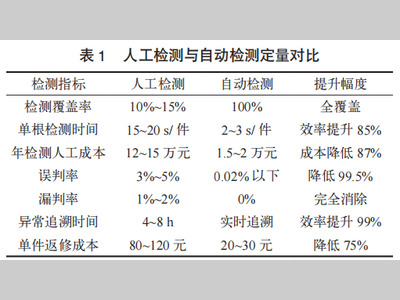
针对传统曲轴人工抽检覆盖率低、人为误差大及不良品流出风险高等痛点,本文提出基于霍尔传感器与PLC控制的曲轴剩磁量自动检测方案,通过自主设计信号兼容电路,实现剩磁全流程自动化检测与不合格品自动剔除,达成100%全检覆盖。经工程验证,系统检测一致率达100%、误判率低于0.02%、退磁不良品流出率降至0%,有效提升装配质量与生产效率,为汽车零部件磁性检测智能化升级提供低成本、高适配的工程应用方案。
作者:
-
一种磨削振纹评价技术的自主开发与应用
-
发动机缸体高压铸件缩孔问题的分析及对策
-
动力总成零件加工的自适应控制方法研究
-
面向交钥匙工程的扁线电机定子产线全流程数字孪生平台
-
AI《汽车制造业》增 刊





评论
加载更多